Science

Fellowships for innovative university teaching

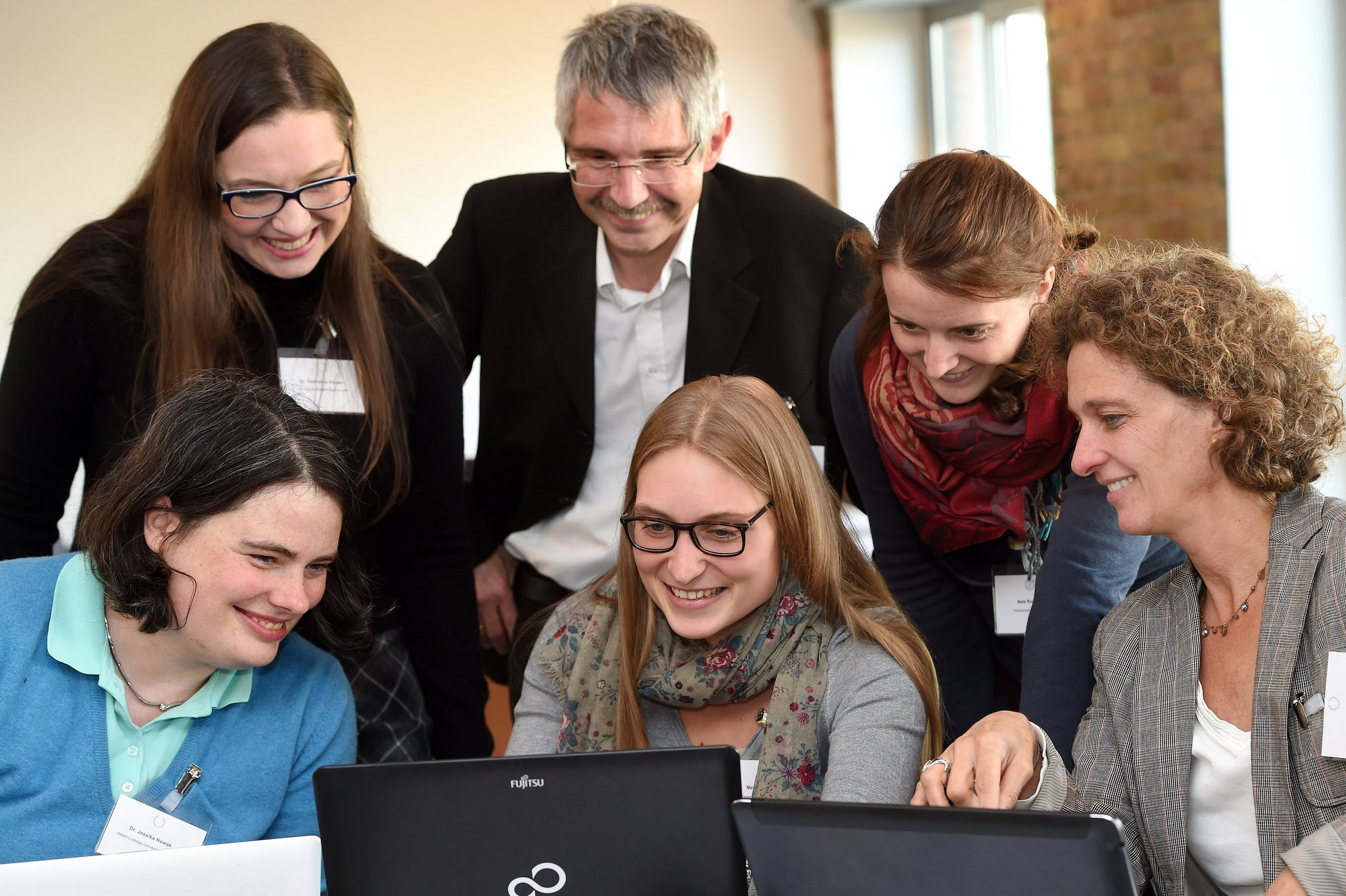
To promote new and innovative teaching concepts for universities, various foundations joined forces with the Stifterverband for German Science. Together, they awarded fellowships for innovations in university teaching.

Europe
Germany
Dortmund, Gelsenkirchen
Funding period: 2014-2016

As part of the fellowships for innovations in university teaching supported by the Wilo-Foundation, incentives were created for the development and testing of novel teaching and examination formats, as well as the redesign of modules and study phases. An interdisciplinary approach and the networking of fellows provided groundbreaking impulses.

The Wilo-Foundation awarded Junior Fellowships to academic staff who focused on climate change and/or STEM-related topics. These fellowships supported lecturers in developing new ideas to improve the education of students at German universities. The initiative sought fresh approaches for the systematic further development of university teaching in curricular, didactic, and methodological terms. Applicants could, for example, develop new ideas for better teaching and examination formats or redesign individual study phases, such as introductory or practical phases.

In 2014, four foundations announced new fellowships for innovations in university teaching to improve student education at German universities with innovative concepts. The Stifterverband, Baden-Württemberg Foundation, Wilo-Foundation (then: Caspar Ludwig Opländer Foundation), and Joachim Herz Foundation jointly provided a total of €270,000.

The fellowships for innovations in university teaching supported lecturers who developed new ideas to improve the education of students at German universities. The initiative sought fresh approaches for the systematic further development of university teaching in curricular, didactic, and methodological terms. Applicants could, for example, develop new ideas for better teaching and examination formats or redesign individual study phases, such as introductory or practical phases. Lecturers from all disciplines at public and private universities in Germany were eligible to apply.

With the 2014 call, there were three new categories for funding: Junior Fellowships for doctoral candidates, postdoctoral researchers, and academic staff; Senior Fellowships for junior professors and professors; and Tandem Fellowships for lecturers cooperating with university didactics experts, teaching and learning researchers, or lecturers from other disciplines.

A jury composed of subject experts, university didactics specialists, and students selected the most convincing concepts. It was essential that the new concept could be integrated into undergraduate teaching and be transferable to other disciplines.

In the 2014/15 academic year, the Wilo-Foundation awarded two Junior Fellowships to academic staff for two outstanding and innovative teaching concepts: Nele Rumler, Hochschule Ruhr West/Campus Bottrop, Institute of Energy Systems and Energy Economics, for the topic: "The Laboratory Event in the Living Laboratory." This project focused on integrating energy supply systems and components into the new university building at Campus Bottrop and developing and implementing a problem-based education (PBE) didactic concept. The second fellowship went to Marlies Achenbach, TU Dortmund, Faculty of Mechanical Engineering at the Institute of Production Systems, for the topic "Multiperspective Learning in Real Production Operations (Multi real)."

Photo Header: Stifterverband for German Science e.V., Essen

Unser Förderpartner

The Stifterverband for German Science is a joint initiative of industry. 3,000 companies, business associations, foundations, and individuals are members of the Stifterverband. Together, they are Germany’s major private supporter of science. The Stifterverband is committed to sustainably improving the German educational and research landscape.

UN Sustainable Development Goals

The UN 2030 Agenda for Sustainable Development with its 17 Sustainable Development Goals (SDGs) forms the global framework for action for socially, economically and ecologically sustainable development. Our funding commitment also supports these sustainability goals. With this project, we are making a contribution to achieving the following SDGs:

What are the SDGs`?


SDG 1
SDG 2
SDG 3
SDG 4
SDG 5
SDG 6
SDG 7
SDG 8
SDG 9
SDG 10
SDG 11
SDG 12
SDG 13
SDG 14
SDG 15
SDG 16
SDG 17

Latest news

No news available.